Designing Multi-Tenant CI/CD Pipelines with ArgoCD and Vault

When a client required a CI/CD platform capable of serving 40 product teams from a single control plane with strict tenant isolation, hardened secrets management, and a zero-trust posture the conventional GitOps playbook quickly proved insufficient.
What emerged instead was a layered, opinionated architecture. Purpose built. Battle tested.
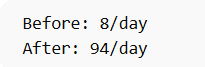
After 14 months in production, the system now orchestrates over 200 microservices across three Kubernetes clusters. Deployment frequency surged from 8 per day to 94. Not by chance, but by design.
The Multi-Tenancy Problem in GitOps
GitOps, in its simplest incarnation, assumes a relatively homogeneous environment. A handful of teams. Shared conventions. Minimal contention.
Scale disrupts that illusion.
With 40 teams, competing priorities surface rapidly:
Namespace collisions
Configuration drift
Privilege escalation risks
Secrets sprawl
A naive setup single repository, shared ArgoCD project becomes untenable.
The fundamental challenge is isolation. Not just logical, but operational and security oriented. Each tenant must feel sovereign yet operate within a shared control plane.
Repository Structure: One Repo vs. Many
The repository topology dictates everything downstream.
Two extremes exist
Monorepo Approach
gitops-repo/├── teams/ │├── team-a/ │├── team-b/
Pros:
Centralized governance
Easier standardization
Cons:
Merge conflicts proliferate
Access control becomes coarse
Multi-Repo Approach
team-a-gitops/team-b-gitops/platform-infra/
Pros:
Strong isolation
Fine-grained permissions
Cons:
Operational overhead
Fragmented visibility
Hybrid Strategy (Adopted)
A pragmatic middle ground
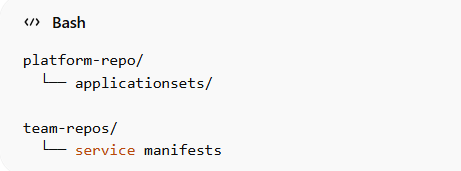
Platform defines the orchestration. Teams define their intent.
This separation preserves autonomy while maintaining governance.
ArgoCD ApplicationSet: The Tenant Management Pattern
Scaling ArgoCD manually is a Sisyphean task. ApplicationSet introduces dynamism essential at this scale.
A Git-based generator
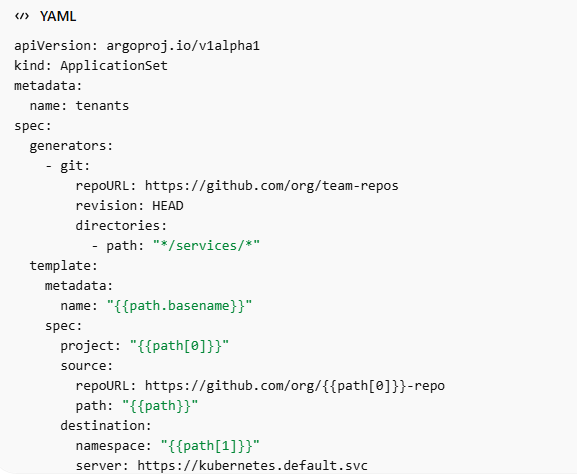
Each team operates within its own project. Namespaces are dynamically assigned. Manual onboarding becomes obsolete.
This pattern transforms ArgoCD into a multi-tenant orchestrator rather than a deployment tool.
Secrets Isolation with Vault and ESO
Secrets are the most volatile component of any platform. Mishandled, they compromise everything.
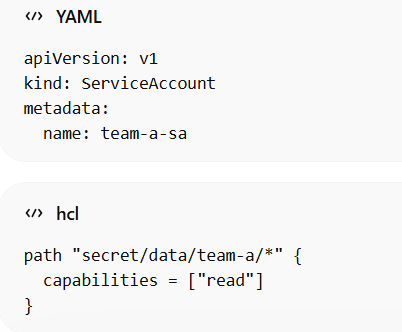
Integration with HashiCorp Vault ensures centralized control, while External Secrets Operator (ESO) enables Kubernetes-native consumption.
Vault Authentication
External Secret Definition
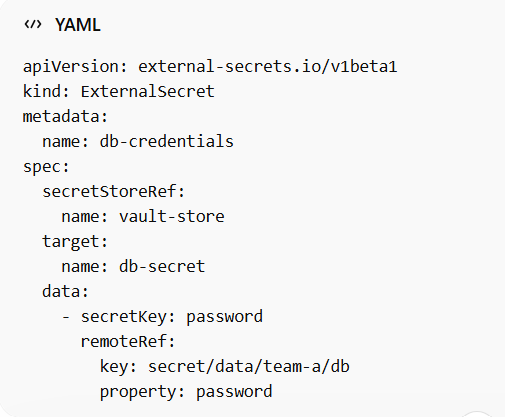
Each tenant accesses only its designated secret path. No overlap. No leakage.
RBAC: Who Can Deploy What, Where
Access control must be explicit. Ambiguity invites exploitation.
ArgoCD RBAC configuration
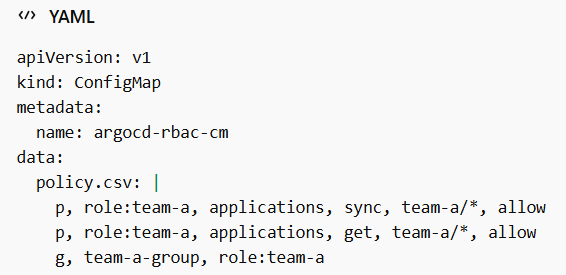
Each team receives scoped permissions tied to its project.
Additionally:
No cross-namespace deployments
No cluster-wide privileges
Audit logs enabled
The principle of least privilege is not optional. It is enforced.
Network Isolation Between Tenants
Logical separation is insufficient without network boundaries.
Kubernetes NetworkPolicy enforces segmentation
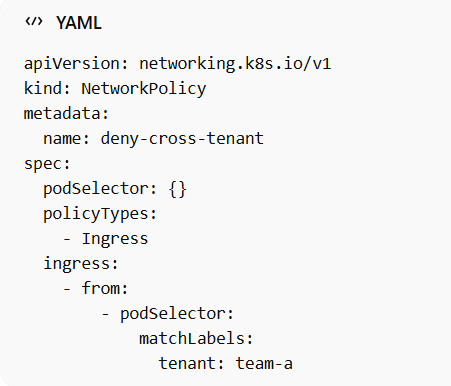
Traffic is restricted to intra-tenant communication. Inter-tenant access is denied by default.
Zero-trust, implemented pragmatically.
Onboarding a New Team in Under 30 Minutes
Speed matters. Onboarding must be frictionless.
Step 1: Create Repository
git clone template-repo team-x-repo
Step 2: Define Namespace
namespace: team-x
Step 3: Configure Vault Path
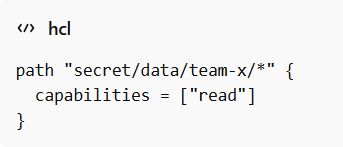
Step 4: Commit and Push
ApplicationSet detects changes automatically. ArgoCD provisions resources.
No tickets. No manual intervention. Just Git.
The Mistakes We Made (and How We Fixed Them)
1. Overloading a Single ArgoCD Instance
Initial setup relied on one instance. It struggled under load.
Fix: Horizontal scaling with sharded controllers.
2. Weak Naming Conventions
Ambiguous names led to confusion.
Fix: Enforced strict naming patterns
<team>-<service>-<env>
3. Secret Path Mismanagement
Early overlaps in Vault paths caused access issues.
Fix: Enforced tenant-scoped hierarchies.
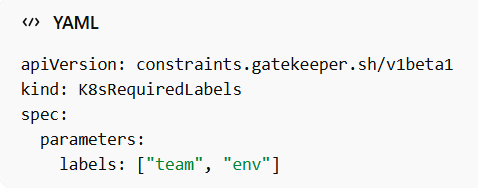
4. Lack of Policy Enforcement
Teams deployed non-compliant resources.
Fix: Introduced OPA Gatekeeper policies.
5. Ignoring Observability
Initial blind spots delayed issue detection.
Fix: Tenant-specific monitoring dashboards.
Measuring Platform Success Across 40 Teams
Metrics validate architecture.
Deployment Frequency
Lead Time
Measured from commit to production.
Reduced from 6 hours → 25 minutes
Adoption Rate
SELECT COUNT(DISTINCT team_id) FROM deployments;
Near 100% adoption within months.
Developer Satisfaction
Survey results indicated:
Faster deployments
Reduced cognitive load
Higher confidence in releases
Architecture Components Recap
This system is composed of carefully orchestrated layers:
ArgoCD with ApplicationSet for orchestration
HashiCorp Vault for secrets
External Secrets Operator for synchronization
OPA/Gatekeeper for policy enforcement
Crossplane for infrastructure provisioning
Prometheus + Grafana for observability
Each component serves a singular purpose. Together, they form a cohesive platform.
Multi-tenant GitOps is not simply about scaling deployments. It is about scaling trust, autonomy, and control simultaneously.
The architecture must be deliberate. Isolation must be enforced. Automation must be pervasive.
When done correctly, the outcome is profound: a platform where dozens of teams move independently yet harmoniously accelerating delivery without sacrificing security.
That is the true promise of platform engineering at scale.
About the author
- DevOps Engineer with 20 years of experience designing scalable CI/CD pipelines, automating cloud infrastructure, and leading high-performing SRE teams. Expert in AWS, Kubernetes, Docker, and Terraform with a strong focus on reliability, security, and performance optimization.
Comments
Join the discussionNo comments yet. Be the first to comment.